

Aurora Innovation opened the first commercial unmanned freight route between Dallas and Houston, Texas, at a time when the industry's confidence in total driverless driving was weakening.
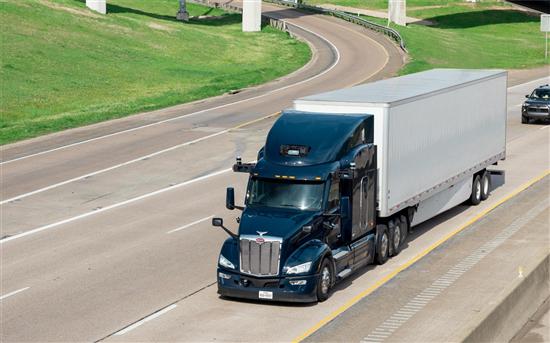
Sterling Anderson, co-founder and chief product officer of Aurora, said at the press conference: "Through the launch of this route, we have defined, improved and verified our driverless truck partner ecosystem." Interstate 45 route is the expected choice, and Aurora has also established unmanned terminals in Palmer and Houston, south of Dallas, Texas, as the starting point and end point of unmanned truck transportation.
Bad timing
Previously, Cruise Automation, a driverless taxi manufacturer, suspended its operations in Austin, Texas, because some people complained that driverless cars caused traffic delays. On October 24, after Cruise's accident in San Francisco caused traffic jams, California suspended Cruise's unmanned vehicle deployment and unmanned test license.
California Governor Gavin Newsom vetoed a bill banning heavy driverless trucks in September. Now California still requires driverless cars to be equipped with safe drivers to monitor the automatic driving function at any time. It is precisely because Texas is friendly to autonomous driving that most companies choose to conduct software and hardware testing and pilot operation of commercial self-driving trucks here.
The International Trucks Union continued to protest against driverless cars in California, and at the same time increased its anti-autonomous driving protests in Texas.
Brent Taylor, vice chairman of the Southern Region of the International Truck Union, secretary and financial director of the Local 745 branch, said in a letter to Texas legislators: "Austin legislators should realize that their voters are unwilling to share roads with driverless cars or trucks. We call on the legislature to seize the opportunity to pass a bill requiring all commercial self-driving vehicles to be equipped with human operators. "
Aurora declined to comment on Cruise's suspension of autonomous driving operations or the International Truck Union.
The goal is clear: to achieve unmanned driving in 2024. Aurora plans to conduct commercial unmanned freight operations on the I-45 road by the end of 2024.
At present, Aurora carries out 75 unmanned operations with safe drivers every week. At the beginning and end of the running route, the unmanned truck service terminal has also been put into operation.
Rival Kodiak Robotics also has commercial terminals in Texas. Aurora and Kodiak are expected to have more profitable long-distance routes, with Aurora's route from Fort Worth to El Paso and Kodiak's route from Houston to Atlanta.
Aurora's commercial terminal can accommodate, maintain, prepare, inspect and deploy unmanned trucks for transportation, and its terminal blueprint maximizes the running time of self-driving freight trucks on the road.
For example, on-site weighing stations ensure that Aurora's trucks meet regulatory standards, while allowing them to bypass road checkpoints. This will make the trip more efficient and reduce the number of stops. Human drivers transport the cargo trailer to one of the hub stations, and then other human drivers pick up the cargo and transport it to the distribution center or other final destination.
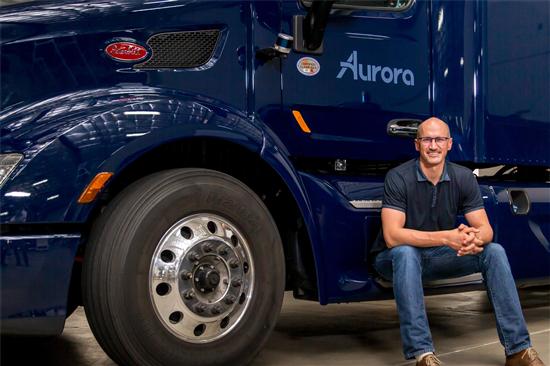
Anderson said: "Putting the planned commercial driverless vehicles online between Dallas and Houston one year in advance will enable us to focus on integrating driverless trucks into our customers' businesses next year." Aurora is also preparing to establish a command center to support all-weather commercial operations, equipped with remote experts to monitor and guide self-driving trucks, and equipped with dispatchers to distribute trucks, trailers and perform tasks.