

The design and manufacture of car seats need to follow a series of basic requirements to ensure the comfort and safety of passengers. The following are the basic requirements for car seats sorted out according to search results:
1. Safety fillet and energy absorption requirements
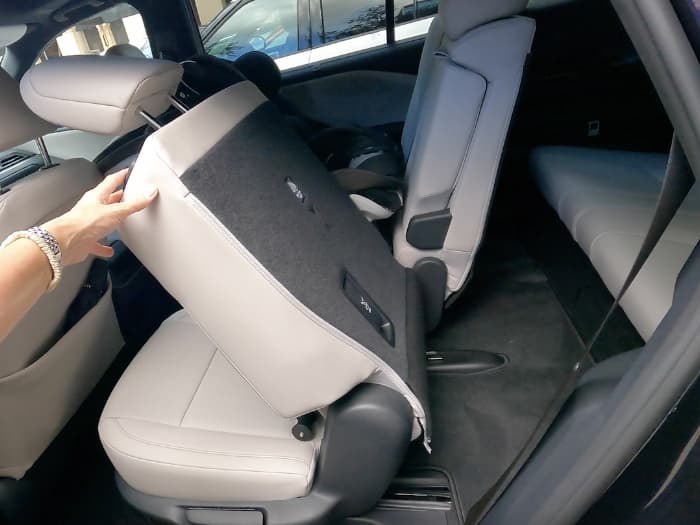
The front and rear areas of the headrest and the back area of the backrest of the seat should have specific curvature radius and energy absorption characteristics to reduce the risk of injury to passengers.
2. Strength requirements
The seat frame, seat fixing device, adjustment device, displacement device and its locking device should have sufficient strength to withstand certain static and dynamic loads, such as 530Nm static strength test and 20g air collision test.
3. Headrest requirements
There are clear requirements for the height, width and static strength of the headrest. The headrest should be able to provide sufficient support to protect the head and neck of the occupants.
4. Adjustment and displacement device
The adjustment and displacement device of the seat should have a self-locking function to ensure that it will not move accidentally during driving.
5. Trunk collision test
For the rear seats, a trunk collision test is also required to ensure the stability of the seat when it is hit from the rear.
6. Requirements for internal protrusions
Protrusions inside the seat need to meet specific design requirements to prevent injury to occupants in a collision.
7. Seat anchor strength
The seat anchor needs to be able to withstand a certain longitudinal horizontal deceleration or acceleration to simulate the situation of a frontal or rear collision of the vehicle.
8. Comfort requirements
The seat should provide appropriate support and comfort, including the thickness, depression, and inclination of the seat cushion and backrest.
9. Regulatory compliance
The seat design should comply with national and regional safety standards and regulatory requirements, such as China's GB 15083-2019 standard.
10. Material requirements
The seat material should meet the combustion characteristics requirements, such as the combustion rate limit of interior materials specified in the GB 8410-2006 standard.
These requirements ensure that the car seat can provide comfort while protecting the safety of occupants in unexpected situations such as collisions. When designing and producing seats, automobile manufacturers must strictly comply with these basic requirements and conduct corresponding tests to verify the performance of the seats.