

Knowing the power rating of your car's speakers is important for optimizing your audio system.
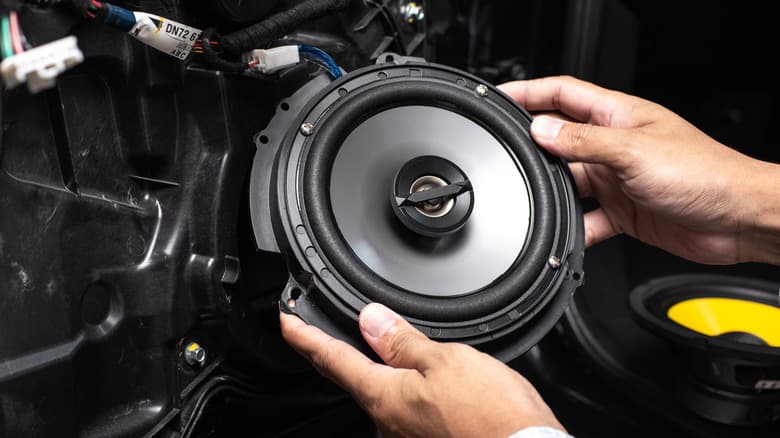
Here are the basic concepts related to car speaker power ratings:
1. Rated Power Type
1)RMS (Root Mean Square): This is the continuous power handling capacity of the speaker. This indicates how much power the speaker can handle over a long period of time without distortion or damage. Look for speakers with higher RMS ratings for better performance.
2)Peak Power: This is the maximum power the speaker can handle for a short period of time. While important, it is less relevant for everyday listening than RMS.
2. Rated Power Match
1)Speaker Match: Make sure the speaker's output power (in RMS) matches or is slightly lower than the speaker's RMS rating. This prevents damage to the speakers and ensures optimal performance.
2)Avoid Over-Power: Using a speaker with a power rating much higher than your speakers can cause distortion and potential damage.
3. Interruption
1)Speaker Impedance: Most car speakers have an impedance of 4 ohms, but some may be as high as 2 or 8 ohms. Make sure your speaker is compatible with your speaker's impedance to avoid problems.
2)Power Calculation: The power output impedance of your speaker can vary depending on the load. Check the specifications to see how much power it can provide at different obstacles.
4. Sensitivity
1)Efficiency: This rating indicates how efficiently the speaker converts power into sound. A higher sensitivity (measured in decibels) means the car speaker will produce more sound with less power. This is very important for matching low-power speakers.
5. Installation Note
1)Wiring: Use wires that are the right size to handle power without loss. Thicker wires are better suited for higher-power systems.
2)Placement: Install your speakers correctly to avoid rattling sounds and ensure they can handle the power without distortion.
6. Testing and Tuning
1)Listen for Distortion: When tuning your system, listen for any signs of distortion, which may indicate that you are pushing your speakers beyond their limits.
2)Fine Tuning: Adjust your speaker settings to match the speaker's power rating for optimal sound quality.
Knowing the power rating of your car speakers is important for optimal audio performance. Always prioritize matching RMS ratings, taking impedance into account, and ensuring proper installation for a quality listening experience. If you have specific speakers or amplifiers, feel free to ask for more personalized advice!