

Brake lights are part of the overall light assembly, but there are also special assemblies designed for specific safety purposes. Traffic lights may also have other features, such as vehicle illumination or backlighting.
Traffic lights and brake lights are similar, but the lights have different features and characteristics. Key differences:
1. Differences in performance.
Taillights make it easy to see what's behind your vehicle. It is best used at night, when there is little light, and when the weather is bad.
A brake light is a rear light that is attached to the vehicle's fixed axle or brake. D warned one of the drivers behind the car. The bubbles prevent collisions at the edges.
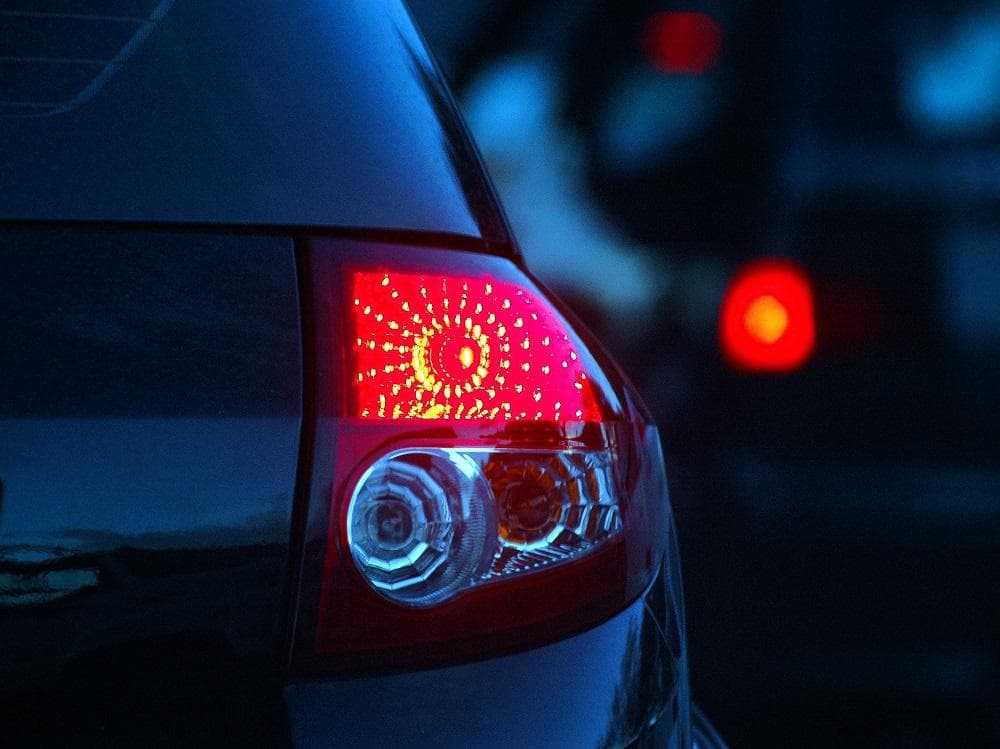
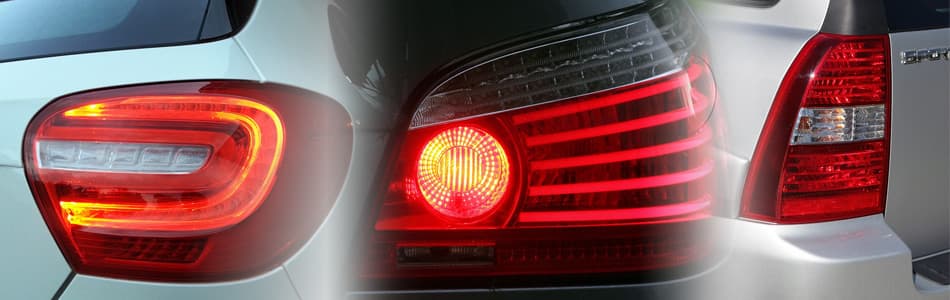
The tail lights typically have a multi-function light set.
- Driving or Parking Lights: The Daylights come on when you are approaching a parking space or driving slowly.
- Turn Signal: Indicates the driver's preferred lane or directional sign.
2. Light Size:
Brake lights are usually bright and large enough to be easily identified by following vehicles.
3.Light Source Technology:
Normally, the D tail light comes on continuously when the vehicle is moving, but the brake light comes on only when the D driver presses the D brake pedal.
4. Usage:
Normally, the D tail light comes on continuously when the vehicle is moving, but the brake light comes on only when the D driver presses the D brake pedal.
5. Appearance:
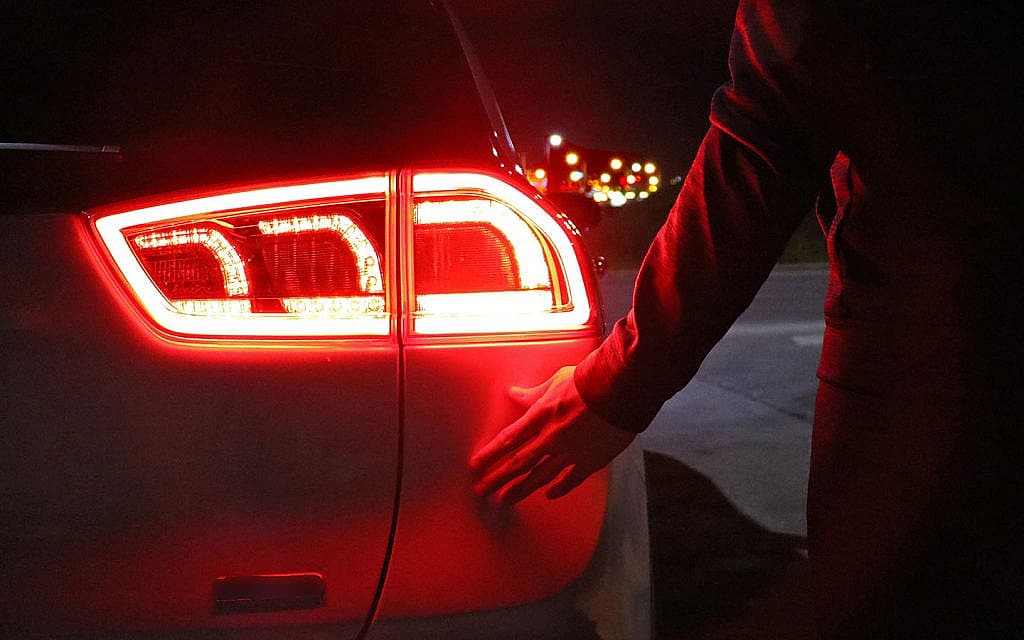
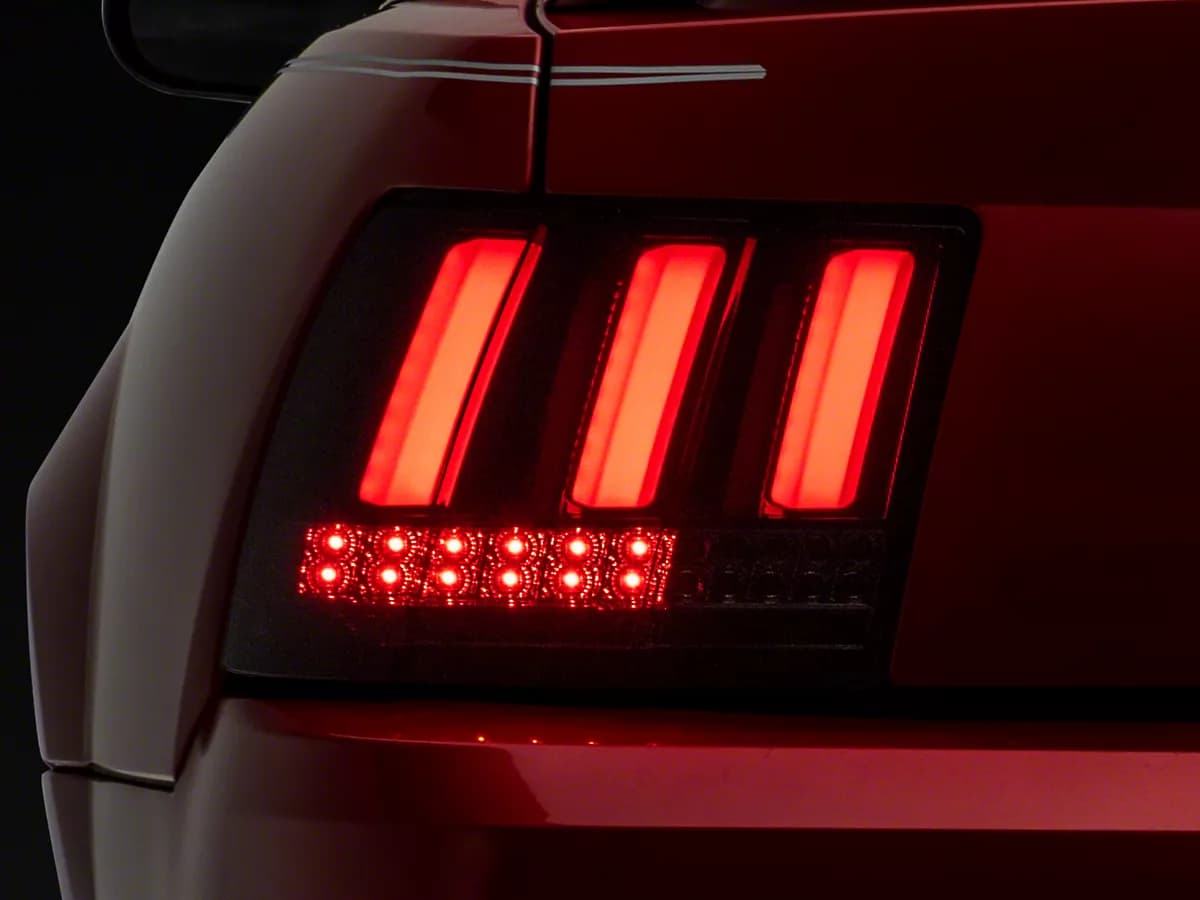
Both appear red at night, but the brake lights on the D are brighter and more impressive, the warning features on the Fi are better, while the taillights on the D are softer , which is less comfortable for rear drivers.
6. Location:
Tail lights, high mounted brake lights and tail lights on vehicles. When this light comes on, approach the brake light.
We take safety measures to avoid accidents, especially at night when visibility is limited.