

The automotive industry is on the cusp of a revolution, with car interiors becoming a key differentiator in a highly competitive market. As the traditional focus on engine performance and exterior design shifts, the in-car experience is taking center stage, driven by the convergence of automation, connectivity, electrification, and shared services, collectively known as the ACES megatrend.
1. The rise of electric vehicles (EVs)
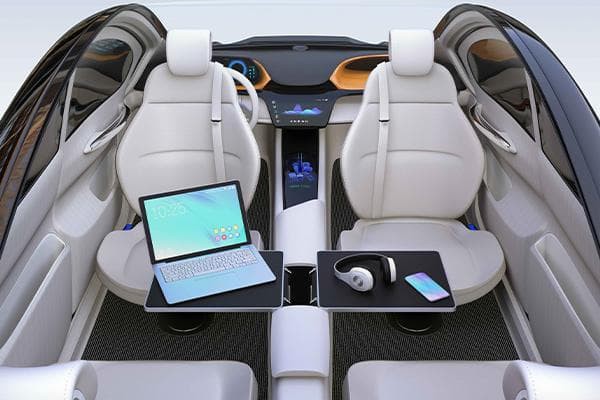
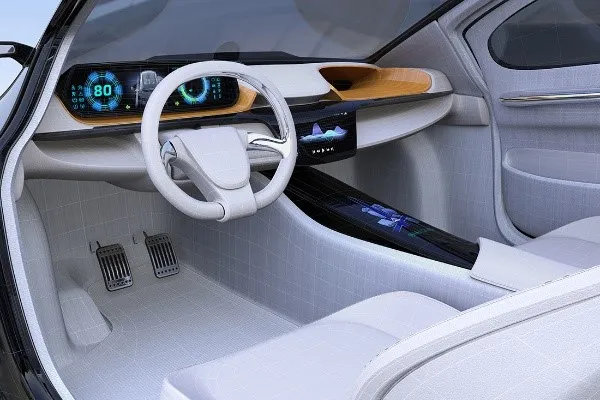
The advent of electric vehicles has had a profound impact on interior design. EVs do not need to install a bulky combustion engine, transmission, and exhaust system, allowing for larger and more flexible interior spaces. This freedom has allowed designers to experiment with innovative seating arrangements, such as swiveling seats, and incorporate features such as the Super Screen in the dashboard, which improves both aesthetics and functionality.
2. Integrating advanced technologies
The desire for smarter cars has led to a dramatic increase in the integration of technology into interiors. From multi-screen displays that replace traditional dials and buttons to voice control systems and seamless connectivity to personal devices, modern cars are becoming high-tech havens. The development of 5G connectivity promises faster data exchange, thereby improving software performance and providing richer entertainment options.
3. Focus on Sustainability
Sustainability is no longer a niche issue; it is a basic need. Car makers are responding to this by using recycled materials, bio-based materials and exploring new, environmentally friendly manufacturing processes. The Volvo Concept Recharge and Mercedes-Benz Vision EQXX concept cars demonstrate how sustainable materials such as mushroom leather, bamboo fibre and bio-based polyester can be used to create luxurious yet environmentally friendly interiors. ## Market Outlook The automotive interiors market is expected to grow significantly, with an expected value of US$166.7 billion in 2024 and reaching US$270 billion by 2034, at a CAGR of 4.9%. This growth is attributed to the growing demand for connectivity, advanced safety features, and an increasing focus on personalization and customizable interiors.
In conclusion
The future of automotive interior development depends on a combination of innovation, comfort, and sustainability. As the industry continues to evolve, vehicle interiors are evolving from purely functional spaces to dynamic environments that reflect the brand image and meet the needs of drivers and passengers. With the advent of autonomous driving, the car interior will become a multifunctional space that integrates work, entertainment, and relaxation, providing a revolutionary experience for passengers.